Colorado Gardening Inspo: High Yields From My Garden Box


Posted In
July 10, 2026
Posted On
Colorado gardening is a bit of a challenge and requires more than a good patch of dirt and a shovel. Use this guide for gardening inspiration as you navigate through hail storms, local pests, and hungry bunnies.
After ten years of moving states and existing as a part-time digital nomad, I’ve finally made it back into my gardening era. Don’t be alarmed if I make it my entire personality from here on out.
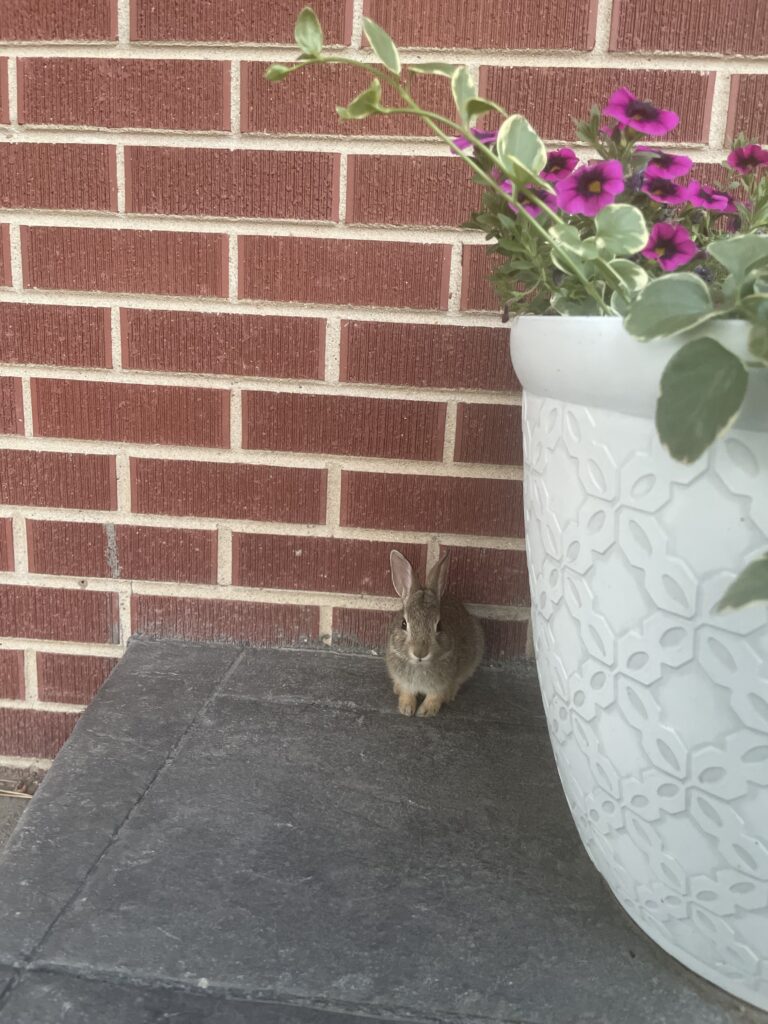
The good news is… I started harvesting my grandpa’s squash plants when I was still in diapers, bopping around in those floral 90s dresses. The bad news is… my Virginia gardening skills haven’t transferred well to Colorado’s high country. It’s taken a massive amount of research to fend off the bugs, hail storms, and the family of bunnies that lives under my porch furniture. Good thing I love a challenge.
Since I live in a rental property, there’s the added complication of not digging up my landlord’s grass, too. The goal is to get a high yield of nutrient-dense crops without taking over the yard. Here’s how I’m making it happen (and what I’ve learned along the way)…


Chapters
- Tips for Colorado Gardening
- The First Timer’s Guide to Building a Garden Box
- Everything I Planted in My Colorado Garden
- High-Yield Colorado Gardening In Small Spaces
Tips for Colorado Gardening
Starting a garden in Colorado is much different from starting one in the greener areas of the United States. Plenty of farmers exist out here in our mix of high desert and countryside. But it takes a bit more planning, water retention methods, and care to keep a garden producing. I recommend seed starting, fencing, and creating a hail plan before you put plants in the ground.
Seed Starting Is a Personality Trait
Back home on the East Coast, seed starting is reserved for only the most serious and budget-conscious gardeners. But here in Colorado, it’s a necessary evil. Since our growing season is so short, plants need to be ready to go as soon as the last frost ends.
This is especially the case for early-season crops, like leafy greens and cruciferous veggies that don’t thrive in August heat. These are some of my favorites, and they’re hard to source from hardware stores and plant nurseries. Seeds let you choose higher-quality plants and cut out the middleman, so you’re ready to start planting as soon as the weather clears.
It’s best to start seeding leafy greens in your home in March and then transfer them when the garden is ready to be planted. If you’re using this method, you also get the option to nurture more seeds in the later months, so when you harvest a full head of lettuce, you have more that are ready to plant.
Fencing Makes Sure Your Hard Work Pays Off
Between coyotes, deer, elk, and Colorado’s famous rabbit population, fencing is a good idea. If you plant your garden straight in the ground, you can source a few fence posts and chicken wire from the hardware store to build a square fence around the perimeter. Just make sure to bury the end of the fence twelve inches into the ground to keep bunnies out. If you have a smaller space, using raised beds or building a removable fence for your garden bed is a viable option, too.
Water Retention Tricks
In dry climates, it’s best to water for longer periods of time and use a soil that holds moisture. Instead of buying soil from the store (which is slightly more expensive and less dependable), I mixed my own using peat moss, coco coir, mushroom compost, and perlite. Peat moss, especially, is known to keep moisture in, and it’s been great for long summer days.
Think About Hail Before You Plant
I joined a gardening club in Colorado Springs a few years ago, and all the gardeners had this extensive hail plan. I thought they were being dramatic until this year, when the forecast read “baseball-sized hail” in my region. Since I have a fenced garden box, I was able to drape a tarp over the plants and secure it with some bricks. My other gardener friends recommend cutting out the tops of milk cartons and placing them over delicate plants when you’re worried about hail. These can function as mini greenhouses, too, to keep warmth and sun around small plants.
The First Timer’s Guide to Building a Garden Box
I’m in the genre of girls who are not afraid of a power tool. In fact, I’d like to rebrand construction projects as macro craft projects. Anyway, a garden box is super easy. All you need are some deck screws, well-measured wood pieces, and a drill (I rented mine from the hardware store).
Choosing a Garden Box Size
Garden box sizing is really just about how much of a garden you can realistically take care of. Beginner gardeners should start with something smaller, like a 4×4 square or a longer raised bed like a 1×6. But if you have experience with gardening and a long list of things to plant, you can build much larger boxes. Some gardeners I know have entire food forests built from garden boxes and trellis setups alone.
Keep in mind that if you’re used to an in-ground garden, you might have the capacity for more plants in a garden box. There’s less weeding and general care involved, since you have more control over the soil. Of course, it’s also more expensive to source the wood and mix your own soil. It’s my plan to slowly add to my garden box collection at a rate that my free time and wallet can afford.
What You Need to Build a Garden Box
If you’re worried about not having the right tools, Lowes and Home Depot will both measure and saw wooden pieces for you (within reason). Just take your measurements to them and get your wood pre-cut before you bring it home. Once your box is complete, you’ll need cardboard to line the bottom and quality soil to fill the box. If it’s deep, you can fill it with rocks, mulch, and dead soil to take up some of that extra space.
Garden Box Builder’s Shopping List
- 3+ inch rust-resistant deck screws (around 50).
- A drill bit that fits your screws (some deck screw boxes come with them).
- A twist drill bit for pilot holes (show your screws to a hardware store employee and they’ll help you find the right size).
- Fully charged drill and drill battery (get the Milwaukee brand or rent a drill from a hardware store).
- Chicken wire or hardware cloth to line the base (bunnies can chew through plastic).
- Large washers to hold the chicken wire in place.
- 2×10 lumber cut to size for the perimeter of your garden box.
- 2×4 lumber cut to size for a frame on top of the box (do this if you want to build a hinged dome for winter gardening).
- Cardboard to line the bottom of the garden box.
Garden Box Fencing
We all have a bunny problem here in the Colorado plains, and yes, I have been known to feed my local rabbit babies by hand. As much as I love them, I do want some butter lettuce left over for me, and that’s where fencing comes into play. For a low-effort plan, you can save yourself the trouble of fencing and grow veggies in a smaller raised bed (three feet or higher). You can also build a three-foot fence around your garden as long as you bury it twelve inches into the dirt.
I’m at a rental property, so I didn’t want to dig up the yard or compromise with a smaller garden. Instead, I measured and built my own removable fence panels to go around the perimeter of the garden bed. This way, I can easily plant, weed, and access the bed without bending over large fencing, and the bunnies aren’t eating my Brussels sprouts as their afternoon snack.

A List Of Everything I Planted In My Colorado Garden
- Cherry tomatoes — It’s one of the easiest plants to grow, whether you use a garden box, planter, or in-ground garden. Just make sure it has a cage to climb and put basil next to it for better flavors.
- Zucchini — A super high-yield plant that turns into zucchini bread, muffins, fries, and savory dishes. One zucchini plant will keep you well-stocked all summer long with extra to freeze. It’s best to harvest fruit when it’s small for better flavor.
- Yellow squash — Another high-yield plant, squash is a good one to share with neighbors and roast with sausage for a savory breakfast. Most squash is friendly for beginner gardeners, and plants grow fast in the summer.
- Eggplant — I fell in love with eggplant in the Middle East, and this is my first time ever growing it at home. I’m hoping for plenty of eggplant parm, baba ghanoush, and extra crops to freeze so I can eat them again in winter.
- Butter lettuce — This variety is softer than romaine lettuce and has a sweet summertime bite. I’ve staggered a few of my lettuce plants to get a consistent harvest throughout the growing season.
- Spinach — Honestly, I planted the spinach a little too late in the summer, and it went to seed before producing much. I’m keeping the seeds to plant in my winter garden. Also, if you use the square foot gardening method, you can plant eight spinach plants per square.
- Brussels sprouts — I’m really pushing it with the cruciferous veggies this year, but I love to eat them. I know beginner gardeners are hesitant to plant these because of cabbage worms, but I’ve found BT spray to work well as a natural bug repellent.
- Cabbage — This isn’t one of the more popular plants to grow, but I’ve been so impressed by how fast my cabbage has shot up. It’s definitely the most popular with cabbage worms, though.
- Kale — This is one of the healthier plants in my garden, especially since the cabbage worms tend to gravitate more toward the cabbage and less toward the kale. I’m hoping to get a few harvests from these plants this year, and I’m stoked because home-grown kale is way better than store-bought.
- Basil — It helps to plant basil next to tomato plants to enhance their flavors.
- Lemon balm — This herb just smells amazing and has always been a bucket-list garden plant. It’s hard to source, but delicious for fresh leaf tea.
- Chives — I’m not the kind of person to worry about buying chives at the grocery store for my recipes, but if it’s growing in my garden, I will use them on everything.
- Marigolds — These strongly scented flowers are standard pest control for smart gardeners who know how to utilize plant pairing.
- Sweet potatoes — I didn’t want these to take up my whole garden box, so I planted them in a deep-set pot. They’re growing well, and all I have to do to harvest them is overturn the pot.
Garden Box Ideas for Strong Yield and Small Budgets
You need a lot of imagination for a high-yield garden. Most of my Colorado friends are growing food in apartments or condos with small courtyards and shared spaces. But that doesn’t mean lots of veggies are out of the question. Here are some ideas to make your space and your budget go far.
Turn Your Garden Box Into a Winter Greenhouse
The one thing that motivated me to keep screwing in boards and tossing around peat moss was the idea of a wintertime greenhouse. I built my garden box with ledges so I can create a hinged cover for the colder months. This will be my hack for getting those early-season leafy greens all year long, since Colorado’s early growing period is short and unpredictable.
Square Foot Gardening
Industrial farmers taught us to plant crops in rows, but that’s really the least effective way to use space for a home gardener. My recommendation is to switch over to square foot gardening. This method divides your garden box into a grid space, where plants share their square with similar crops to save space without impacting yield. According to the Square Foot Gardening Foundation, this method uses 20% less space than traditional gardening and costs half the price.
Use Buckets or Deep Planters for Potatoes
Even if you don’t have space to build a garden box, I bet you do have space for a larger planter. I used some buckets and large pots for plants that I didn’t want taking up space in the official garden. You can plant tomatoes, sweet potatoes, peppers, cucumbers, eggplant, and radishes in a large pot.
Letters to explore
Little comforts for your busy life