In a world of solo travel influencers and Bali-based remote workers, I’m not ashamed to say Buenos Aires, Argentina, is the first foreign city I’ve ever traveled alone. One of my goals this year is to experience more countries outside the Euro summer tourist bubble and to challenge my own comfort abroad (via solo trips). Recent adventures to Romania and Jordan have inspired me to crave more authenticity in travel and spaces that aren’t yet on the influencer circuit.
Argentina gave me everything I hoped to find. Not only did I love the experience of traveling by myself, but I was also surprised at how easy and empowering it felt. Here are all the activities I enjoyed in Buenos Aires and would do again solo.
Things to Do in Buenos Aires for Solo Travelers
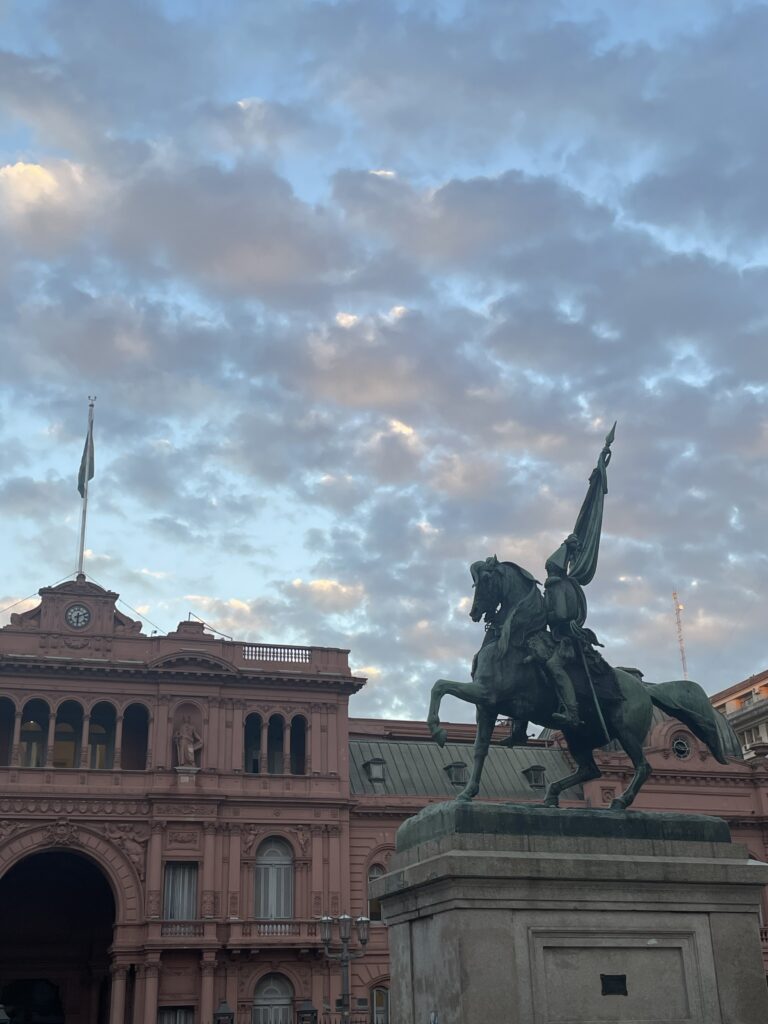
Visit Plaza de Mayo and Casa Rosada
The center square of Buenos Aires holds Casa Rosada, the former president’s house. In the plaza, you’ll see memorials for historic events, visit museums, and walk through the National Cathedral, where Pope Francis served as the Archbishop. The reason Buenos Aires is known as the Paris of South America becomes clear when you stroll the parks and look up to see the architecture.
From restaurants to architecture tours, there’s plenty to do in this part of the city. Bookmark all your stops on Google Maps and pick an afternoon to check everything off your list.
- Know Before You Go: Be aware there are sometimes protests and transportation strikes in this area. It’s safe to visit, but you should always walk away from active protests.
Attend an Asado or Argentine Food Experience
Argentina’s warm culture is deeply rooted in family and community. Weekend barbeques and gatherings are common ways to catch up with your loved ones, and if you stay in Argentina long enough, you’ll get a personal invite to one.
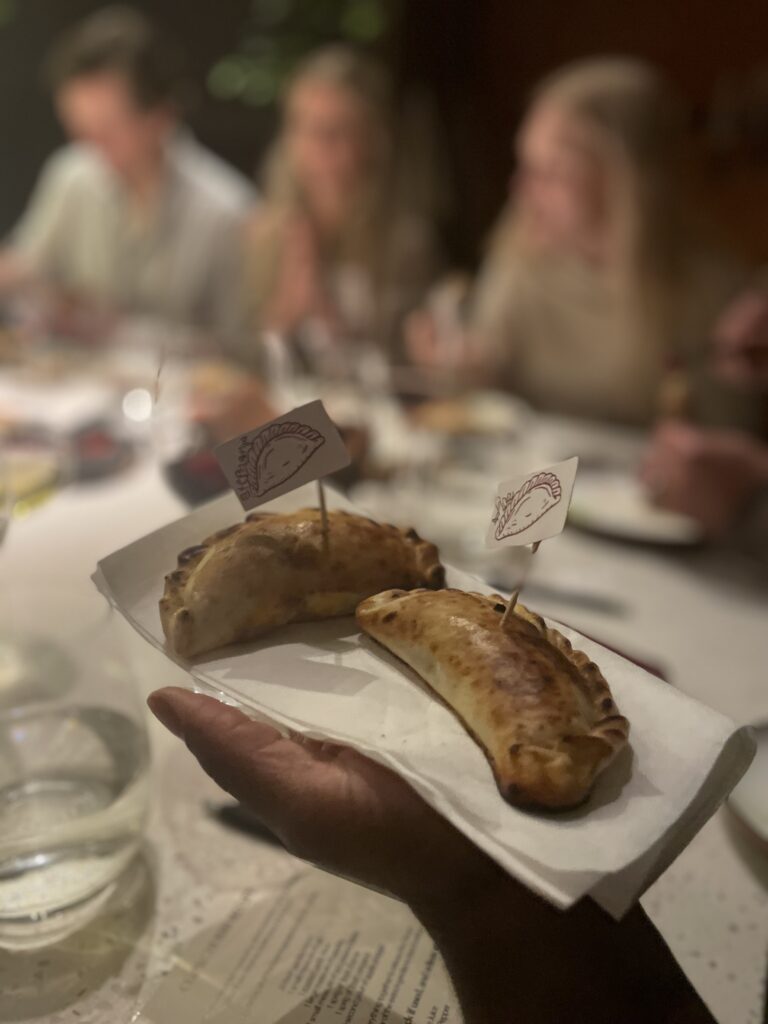
Barbeques are known as asados, the heartbeat of Argentine culture, and a beautiful way to immerse yourself in the local experience. Although I didn’t do an official asado (many of them are hosted on ranches outside the city), I did attend an Argentine experience, which included much of the traditional barbecue, wine, and conversation.
- Know Before You Go: Argentina is famous for its grass-fed steak, local wine, and Alfajor cookies. If you like to make friends during your solo trip, an asado is the place to go.
Take a Day Trip to San Isidro
I didn’t find San Isidro on any of my Buenos Aires research, but someone in my family recommended it, and it ended up being one of my favorite day trips. The neighborhood is charming, full of historic mansions, gardens, outdoor museums, and sporting clubs, which is a welcome break from the busy city center. Famous writers, artists, and historians have lived here through the years, and there’s so much beauty to experience.
The neighborhood isn’t packed with things to do, but that’s the beauty of it. You’ll wander through a historic garden, chat with a museum curator, and grab brunch at one of the local cafes. On the weekends, they have a little market in the town square. I enjoyed visiting the cathedral, Quinta Los Ombues, and Museo Pueyrredon.
- Know Before You Go: The weekend market is hosted in front of the cathedral on Saturdays and Sundays starting at 11:00 AM.

Go to Teatro Colón for an Opera Show
The famous opera house in Plaza De Mayo is open for tours during the day, but I went for an evening show. Teatro Colón is considered one of the top opera houses in the world, with ballet, music, and opera performances available to the public. Standing room tickets are around $20 USD right now (although check for yourself). Just make sure to arrive early to claim a spot with a view. There are benches around the standing room for people who fatigue easily, but you can’t see much of the show from them.
- Know Before You Go: The opera house is quite large and can take some time to navigate. I recommend taking an Uber or bus and arriving with plenty of time to find seats.

Get Your Football and Tango Fix in La Boca
You can’t visit Buenos Aires without stopping in the neighborhood that started it all. La Boca sits at the mouth of the river, where immigrants arrived from Europe to their new home in Argentina. The neighborhood is a melting pot of culture and community, and it’s the birthplace of tango dancing and La Boca Juniors soccer.
The biggest attractions in La Boca are the soccer stadium and the Caminito, a row of colorful houses painted by immigrants with leftover ship paint. The street is a creative space with painters, dancers, and photographers showing off their art. There’s also a cute handmade market by the river where you can shop for souvenirs.
La Boca is a small area, and you can check off all your activities easily in an afternoon. Enjoy empanadas for lunch, go shopping for souvenirs, take photos with a statue of Messi, and admire creative street vendors. I also visited Colón Fabrica, a local museum that holds props and costumes used at the opera house.
It’s not recommended to take public transportation in or out of La Boca for safety reasons. I recommend you take an Uber instead (which is relatively inexpensive in the city). You also shouldn’t veer off the beaten path, since some streets and neighborhoods are less safe than others.
- Know Before You Go: Getting to La Boca on a game day is a struggle (you will need an extra hour or two). If you’re just going to tour the area, I recommend working around any game schedules.

Cycle through Palermo’s Green Spaces
I stayed in Colegiales, a small neighborhood near Palermo with sprawling green spaces and neighborhood parks. Driving by, you’ll notice huge trees for shade and monuments sprinkled throughout the streets. One of my favorite activities in a foreign country is picnicking in a local park, and I marked more on my Palermo map than I’ll reasonably visit in a lifetime.
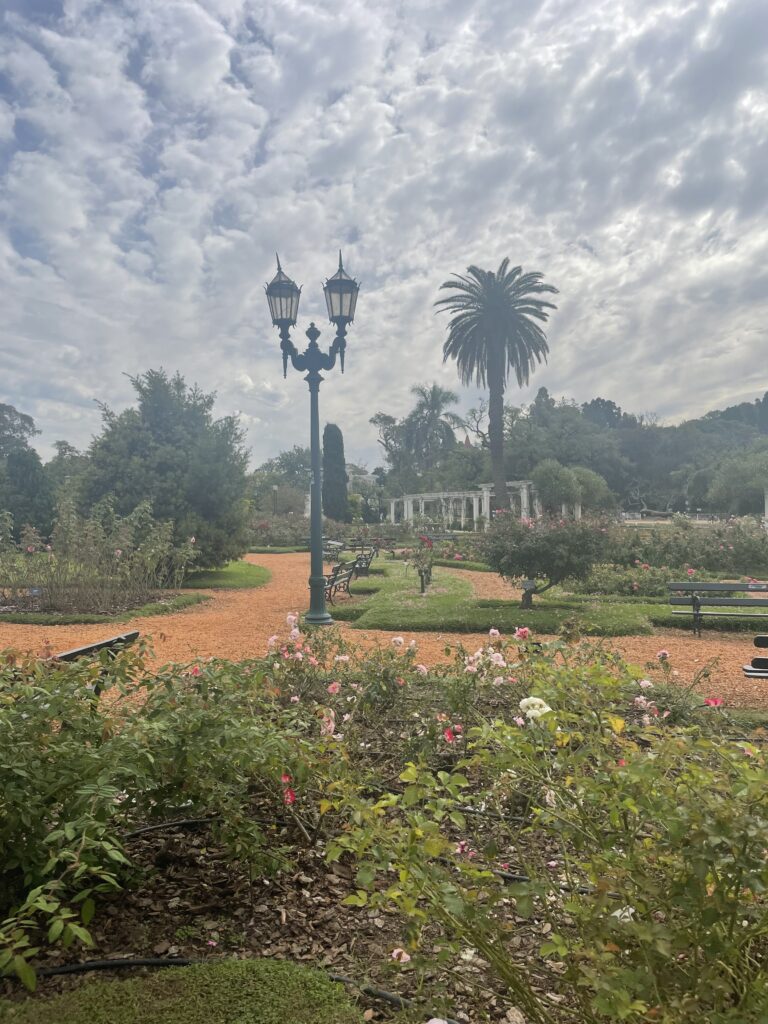
You can stroll through these parks or rent a bicycle, since Buenos Aires is a cycle-friendly city. I also went to El Rosendal, the famous rose garden. Even though the roses are pretty and I made friends with some local ducklings, this garden wasn’t as fun as the local ones. It was a lot less shaded than other parks in the area and more touristy.
- Know Before You Go: If you’re near Colegiales, visit my friends at FACCA and get their steak sandwich wrapped up for your park picnic.
Get Your Snack Fix at a Local Kiosko
These neighborhood shops are like American gas stations. You’ll see them on every corner offering a selection of famous Argentine snacks and candies. They are family-owned and sometimes lit up with bright signs and colorful lights, advertising what’s inside. This is a good place to buy some of Argentina’s famous Alfajors in little packages to take home with you. I went at the end of my trip to spend my remaining Argentine pesos on snacks for friends.
- Know Before You Go: If you decide to pick up a SUBE transportation card, you can buy and load it at most kioskos.
Shop the San Telmo Market
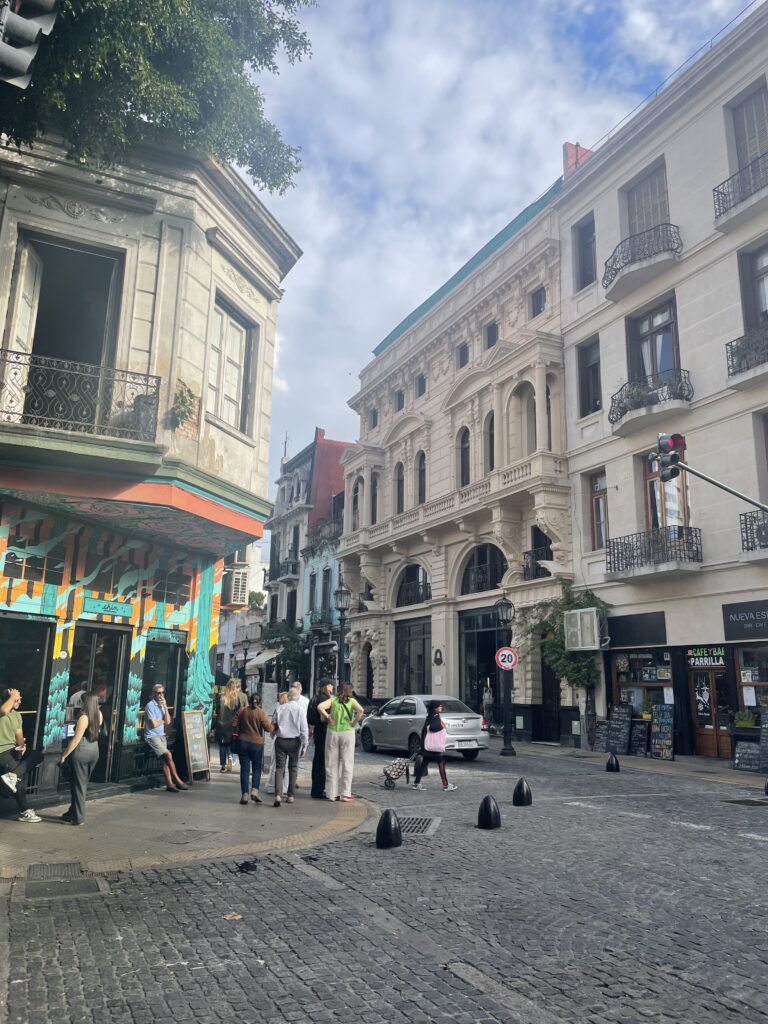
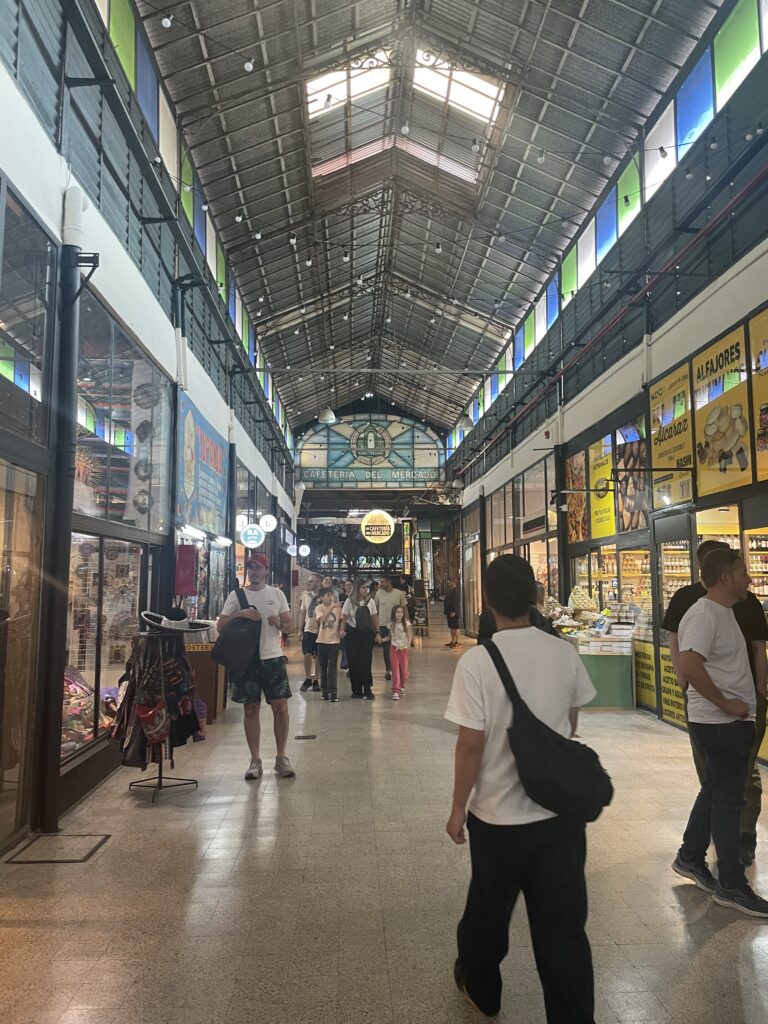
As you travel through Buenos Aires, you’ll notice so many neighborhood markets. They’re walkable, stacked with friendly vendors, and give you plenty of opportunities to try local foods in a casual environment. San Telmo is the most famous antique market, and it’s such a good place to get to know the city. On Sundays, there are outdoor tango lessons and tent vendors on the streets that sell antique goods, street food, and handmade items.
During the week, the market is still popular, but a little less crowded (I preferred this). Go around lunchtime and pick a sit-down spot for drinks and empanadas. If you have extra time, visit some of the local souvenir shops and Walrus Books, which is a few blocks over. While I was here, I found Messi jerseys for my friend’s family right before the World Cup, and picked out some mate cups.
- Know Before You Go: This is a very touristy area, so be alert for tourist scams. Also, it’s not recommended to stay in San Telmo after dark.
Experience La Recoleta Cemetery
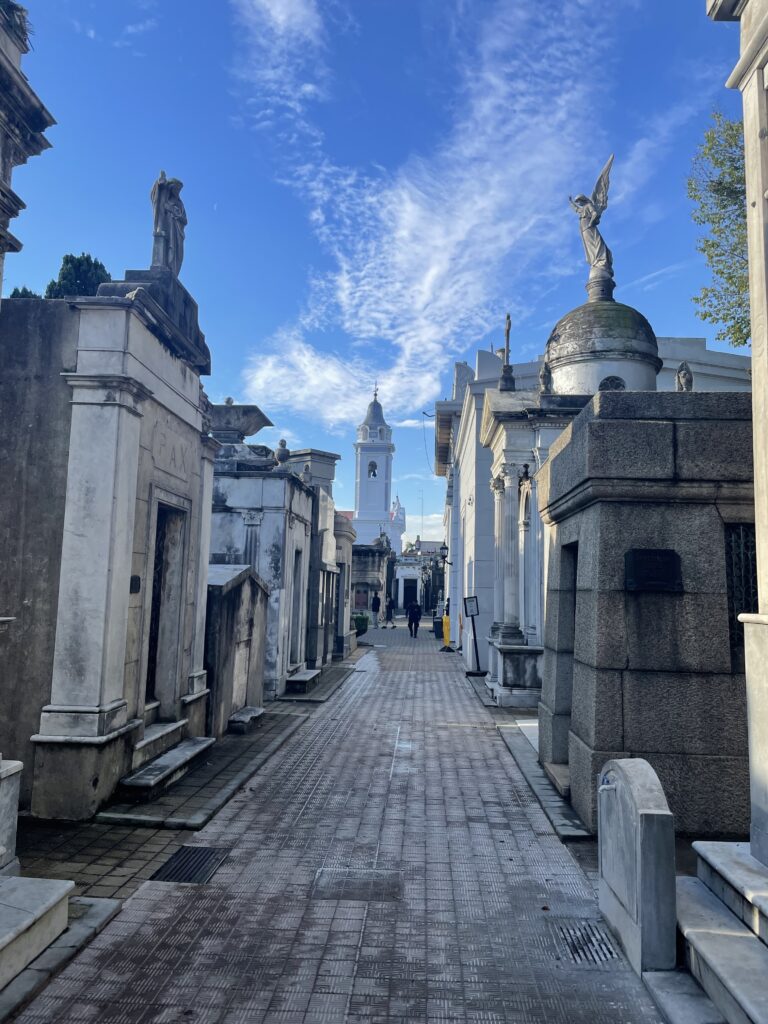
Everyone I talked to about Buenos Aires told me to go to the cemetery. Definitely a strange stop in a city tour, but it’s such a unique place to see. There are acres of mausoleums, all uniquely decorated, and it’s almost like walking through a small city of graves. Some of the most famous Argentinians are buried here, including Eva Peron, a few presidents, and Nobel Prize winners.
- Know Before You Go: If you book tickets online ahead of time, you may need to type your passport information into an internet database. If you don’t want to do this, you can buy a ticket at the entrance to the cemetery, and they’ll check your driver’s license or passport information in person.
Go Bookstore Hopping
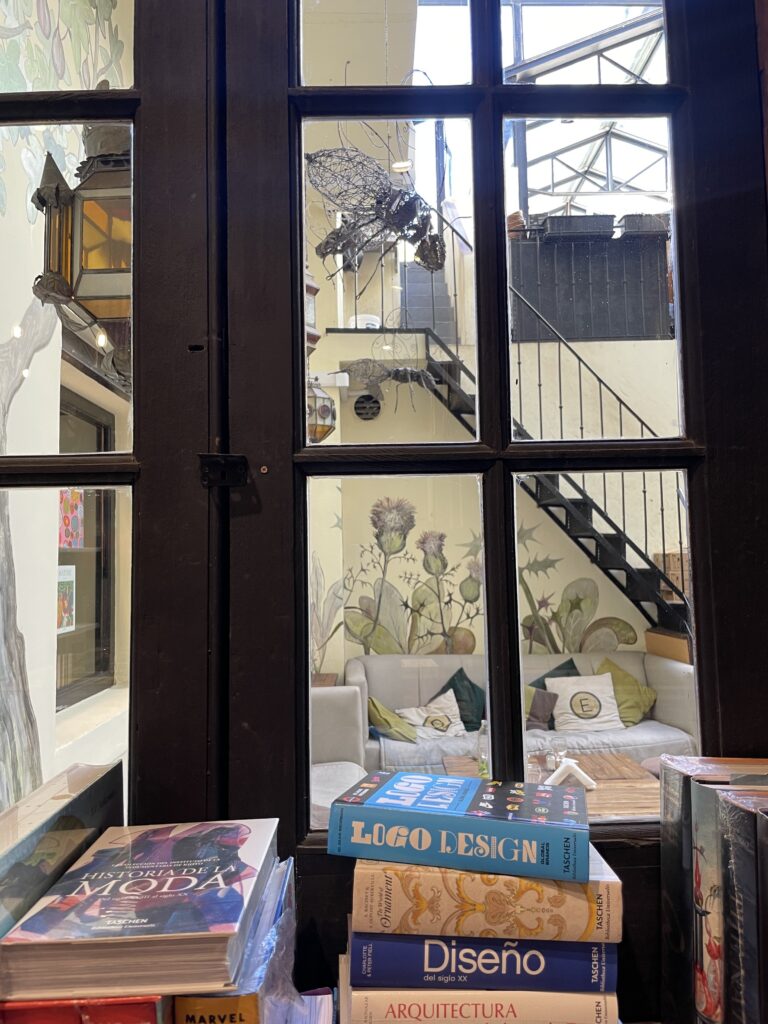
Buenos Aires is a well-read city, with more bookstores per capita than any other city in the world (my kind of place). You’ll notice open-air book markets on street corners, famous book shops in old theaters, and plenty of hidden gems in neighborhoods like San Telmo and Palermo. If you have plenty of time in the city, I recommend visiting as many bookstores as possible. I loved the famous El Ateneo Grand Splendid (a must-go), Eterna Cadencia, and Walrus Books.
- Know Before You Go: Many bookstores have little cafes inside, so you can enjoy a coffee and a sweet treat while you read. They’re also good spots to meet other expats and English-speaking friends.
Enjoy a Day Out in the Water at the Tigre River
The Tigre region is about 45 minutes outside of the center of Buenos Aires, and a nice escape for some greenery and fresh air. Here, you can shop the Puerto de Frutos for home goods woven from local river grass, or take a boat tour through the islands (or both). Whole communities live on the Tigre islands and pick up their groceries from boats. There are rowing clubs and even a palace on the mainland you can visit, too.
I chose to do a paid tour of the Tigre, but you can easily take the train to get there and book your own boat excursion. The benefit of a tour is that everything is pre-booked for you and you get a local perspective. The downside is that you’re on a quick schedule and might not get as much time to look around.
- Know Before You Go: After visiting the Tigre River, my recommendation is to take a private boat tour, since the public boats are more crowded and you won’t get the best views. You can also stay for a few nights at a traditional home on the river (a local-approved activity, according to my tour guide).
Explore the Notable Bars
The city of Buenos Aires was built by historic poets, artists, authors, politicians, and musicians. These artists used to write, dance, or create in local cafes that have since been added to the historic registry. If you are a fellow creative, you’ll enjoy them as much as I did.
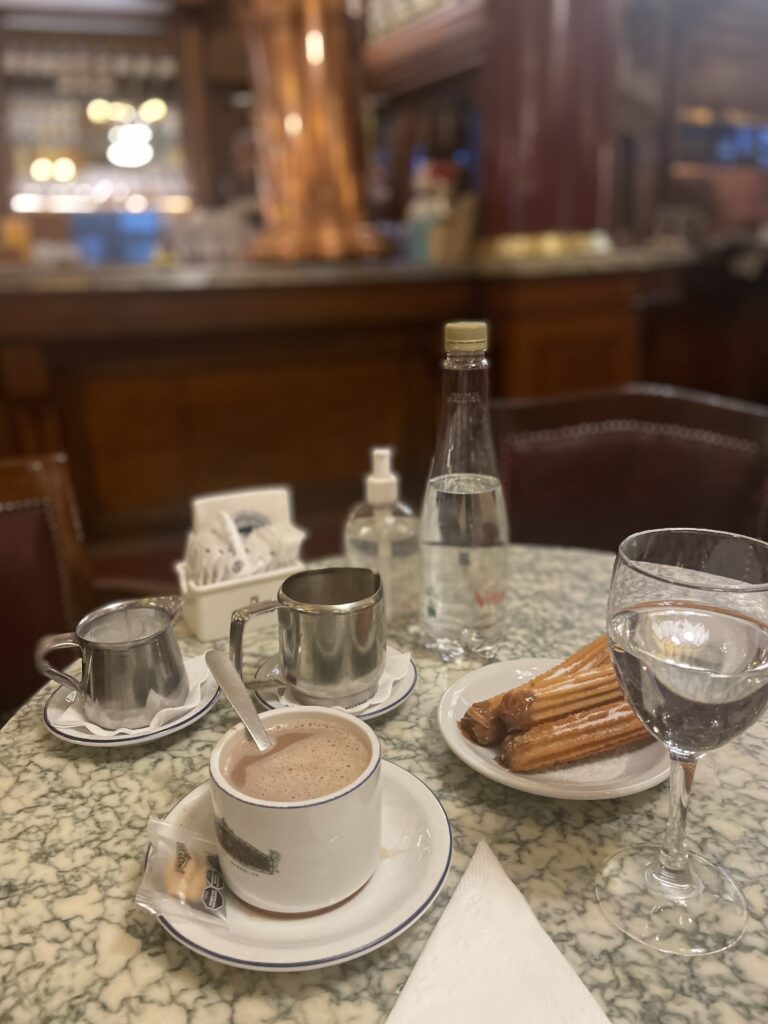
The Buenos Aires Tourism website has a full list of these notable bars, which are a step back in history. They’re well preserved as cultural and historic passageways, where you can find delicious pastries, local dishes, drinks, and tango shows. I intentionally visited some of the more famous notable bars (Cafe Tortoni is the running favorite) and found the food and experience to be consistently excellent. I also stumbled upon a few during city tours, and they offered a nice break with predictably good food in between activities.
- Know Before You Go: Cafe Tortoni is near Palacio Barolo, so you can stop there for a quick bite after admiring Dante’s inferno in architectural form. On the weekends, I did notice the cafes were busier and sometimes had lines.
Visit Palacio Barolo and Other Architectural Wonders
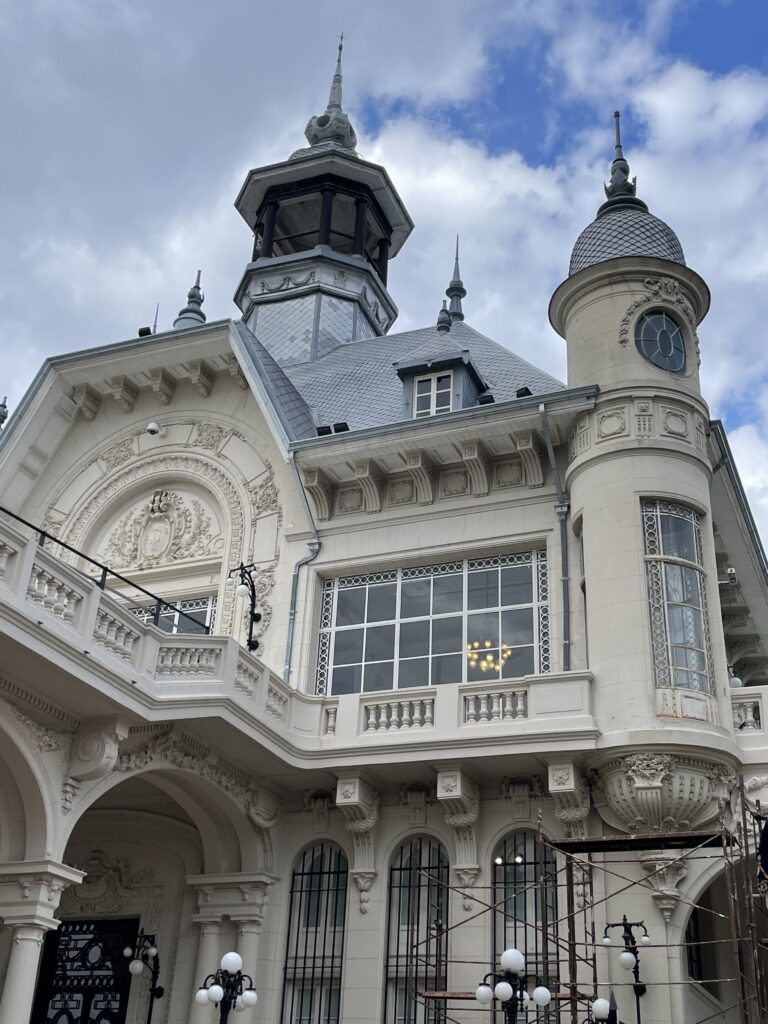
I purely went to Palacio Barolo because I knew my grandpa would ask about it. And it was such an enjoyable solo experience. You’re required to go with a guide to enter the building, so I met new friends and got to chat with a few locals on the tour. Famously, the palace is designed to mimic Dante’s Divine Comedy. The basement has a few hellish decorations (gargoyles and red light-up floors), and then most of the building floors resemble purgatory, white walls that are meant to cleanse the person before they ascend to heaven. The highlight is the top of the building where you get a view of the city.
Read More: Your Buenos Aires, Argentina Travel Guide
I couldn’t find an updated travel guide to Buenos Aires (things change fast in the city), so I created one for you. Here’s all the practical stuff about transportation, currency, language skills, and booking experiences so you can have a smooth trip.
Read -> My Argentina Travel Guide
Letters to explore
Little comforts for your busy life